

CBI Fights For College Radio’s Rights
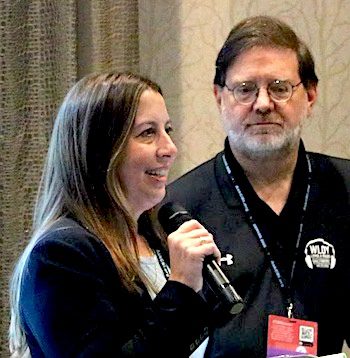 • Guest Editorial by Anabella Poland, President of the College Broadcasters, Inc. (CBI) and General Manager of Montclair State University’s WMSC.
• If you’ve never heard of an ‘NCE FM translator,’ don’t worry; you are not alone, but do pay attention, because what’s happening right now matters for every college radio and community station in the country.
The FCC just opened a rare filing window that would allow educational radio stations to apply for FM translator licenses, essentially mini-transmitters that extend a station’s reach to new areas. It’s a big deal. These windows almost never open; the last chance was over 20 years ago.
The catch? The FCC scheduled the window for August 11 through 25, right in the middle of summer recess. Historically, these filing windows have opened in late fall, and even then the timeline is tight enough that one window originally set for November had to be extended all the way through February just to give educational institutions enough time to participate. An August window is completely without precedent, and it hits college broadcasters the hardest. Filing an FCC translator application is not something a station can do overnight. It requires sign-off from university administrators, a qualified broadcast engineer, and institutional legal counsel, and that process can take months under normal circumstances. During summer recess, when campuses are operating with skeleton staffing and key decision-makers are largely unavailable, it becomes nearly impossible.
 That’s where College Broadcasters, Inc. (CBI) came in. The FCC issued its public notice on June 17, 2026, and by the afternoon of June 18, CBI had already sent a formal letter to FCC Chairman Brendan Carr and the Commission’s Media Bureau, calling out the problem plainly: this schedule effectively locks out the very institutions the NCE band was created to protect. CBI is asking the FCC to move the window to November 2026 through February 2027, in line with historical practice, and to directly notify all NCE licensees rather than burying the announcement in a public notice most stations will never see.
This is what CBI does. It’s the same organization that has shown up at the negotiating table for webcasting royalty rates on behalf of student broadcasters every four years, since the very beginning of those negotiations, when no other student media-serving organization was in the room advocating for college radio. And when it comes to this new FM translator filing window specifically, most stations don’t even know it exists, because the FCC does not notify NCE licensees directly and instead relies on public notices that rarely reach campus radio stations.
College radio has always been a pipeline for the industry. The students behind those microphones today are the programmers, engineers, and station managers of tomorrow. If you believe that matters, now is a good time to say so. We are asking the entire radio and music industry to stand with college broadcasters and help us get the FCC to listen. Reach out to the Commission and let them know that educational stations deserve a fair shot at this window and that scheduling it during summer recess is not acceptable. You can submit comments directly at fcc.gov. It takes five minutes and it sends a message that this community is paying attention and that college radio has the industry’s backing.
Whether or not the FCC moves this window, CBI is making sure the record reflects that college broadcasters deserve to be at the table. Someone has to advocate for them. CBI always has, and the more voices behind that advocacy, the louder it gets. If you want to add yours, learn more at askcbi.org/membership-2.” Anabella Poland can be contacted at president@askcbi.org.
Above: That’s Anabella Poland during last year’s conference in Denver alongside Development Director John Devecka from Loyola’s WLOY/Baltimore.